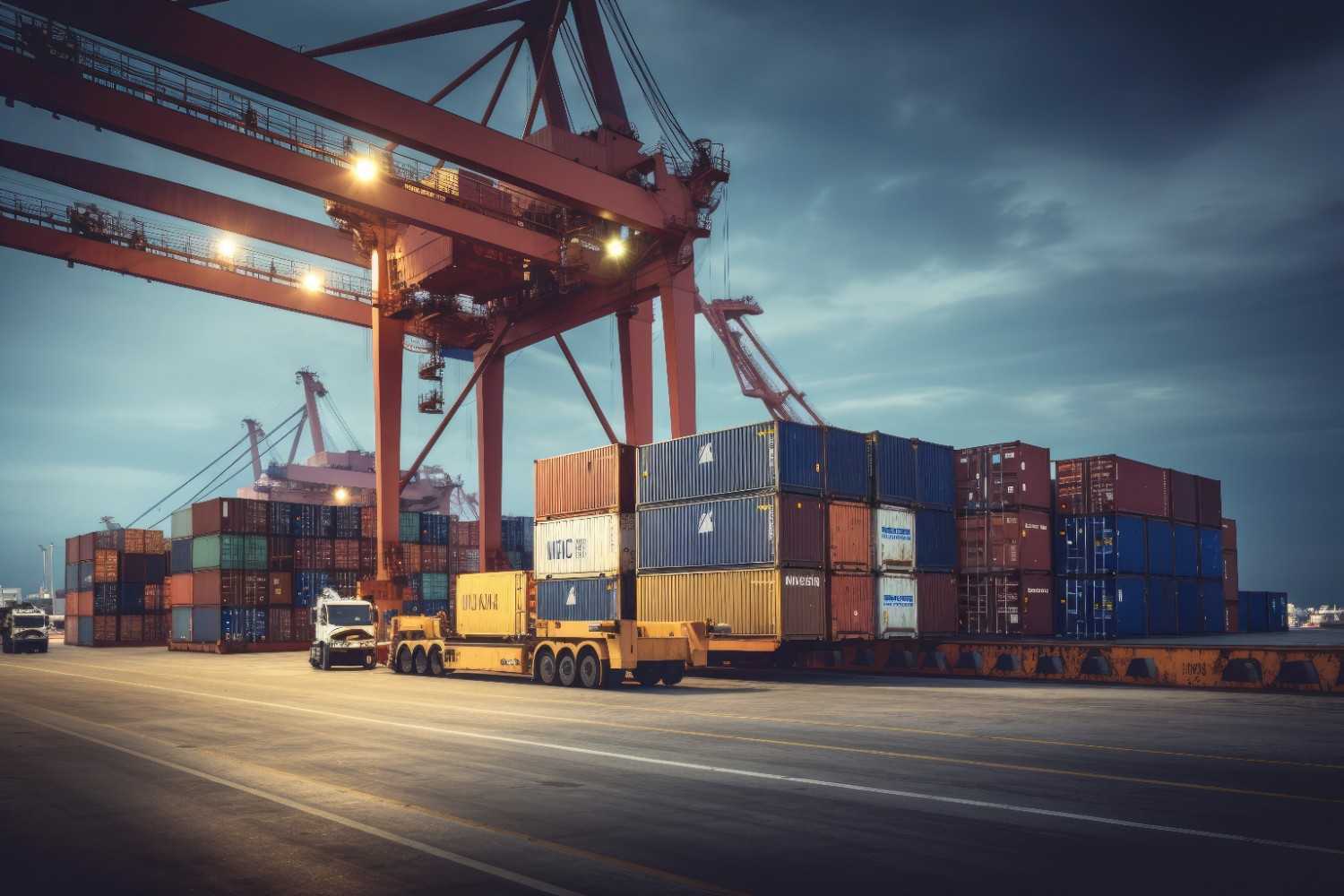
Compliance problems rarely begin when the container reaches port. Most of them begin earlier—when the buyer has not checked the product, the paperwork, or the applicable Indian rules before the order is finalized.
The first basic requirement for importing into India is the Importer-Exporter Code, or IEC. DGFT describes IEC as a key business identification number and states that no export or import shall be made without obtaining one unless specifically exempted. That makes IEC not just an administrative formality, but the basic starting point of lawful import activity.
But having an IEC does not mean the product can automatically be imported without restriction. Compliance in India is category-specific. That is why smart buyers identify the HS code early and check policy conditions through DGFT’s import policy tools before finalising the transaction. The difference between a free, restricted, prohibited or standards-linked product cannot be sorted out casually after production is complete.
Standards compliance is one of the most common areas where buyers get caught off guard. BIS makes it clear that many products come under compulsory certification through Quality Control Orders or the Compulsory Registration Scheme. If a product falls in that net, the issue is no longer simply whether the supplier can make it. The issue is whether the product can legally enter and be sold in India in the required form.
Packaging and labelling are another underappreciated risk area. Legal Metrology authorities provide registration pathways for manufacturers, packers and importers under the Packaged Commodities Rules. For many pre-packaged consumer goods, importer details and declaration discipline matter. Businesses that focus only on the product and ignore packaging compliance often discover the problem too late—after goods are already moving or at the point of sale.
Food imports are even more structured. FSSAI states that imported food clearance is handled through its Food Import Clearance System, which is integrated with Customs ICEGATE under SWIFT. The system allows for document scrutiny, visual inspection, selective sampling and testing based on risk profiling. That means food importers need to prepare for a regulated process, not just a logistics process.
Then comes the financial and documentary side. RBI’s Master Direction on Import of Goods and Services continues to govern how remittances, evidence of import, and related banking processes should be handled. Payment terms, shipping documents, Bill of Entry closure, and documentary follow-up are not peripheral matters. They are part of compliant importing.
This is why experienced importers design the transaction backwards from compliance. They do not start with the price and hope the paperwork catches up. They start by checking the product classification, policy status, standards obligations, packaging implications, and category-specific approvals. Then they align the supplier instructions, packaging text, invoice flow, and shipment documentation accordingly.
That approach is especially important for customised products and private-label imports. When products are developed specifically for the Indian market, the buyer cannot assume the supplier automatically understands Indian requirements. The burden of clarity often sits with the importer. If that clarity is missing, the result can be detention, re-labelling cost, clearance delay, or outright compliance trouble.
A clean import, in other words, is not the result of luck. It is the result of disciplined pre-shipment thinking. By the time the goods are on water, most important compliance decisions should already have been made.
For Indian businesses importing from China, the safest mindset is simple: classify first, verify next, document properly, and ship only after the rules are understood. Compliance is not a final checkpoint. It is part of the sourcing strategy itself.
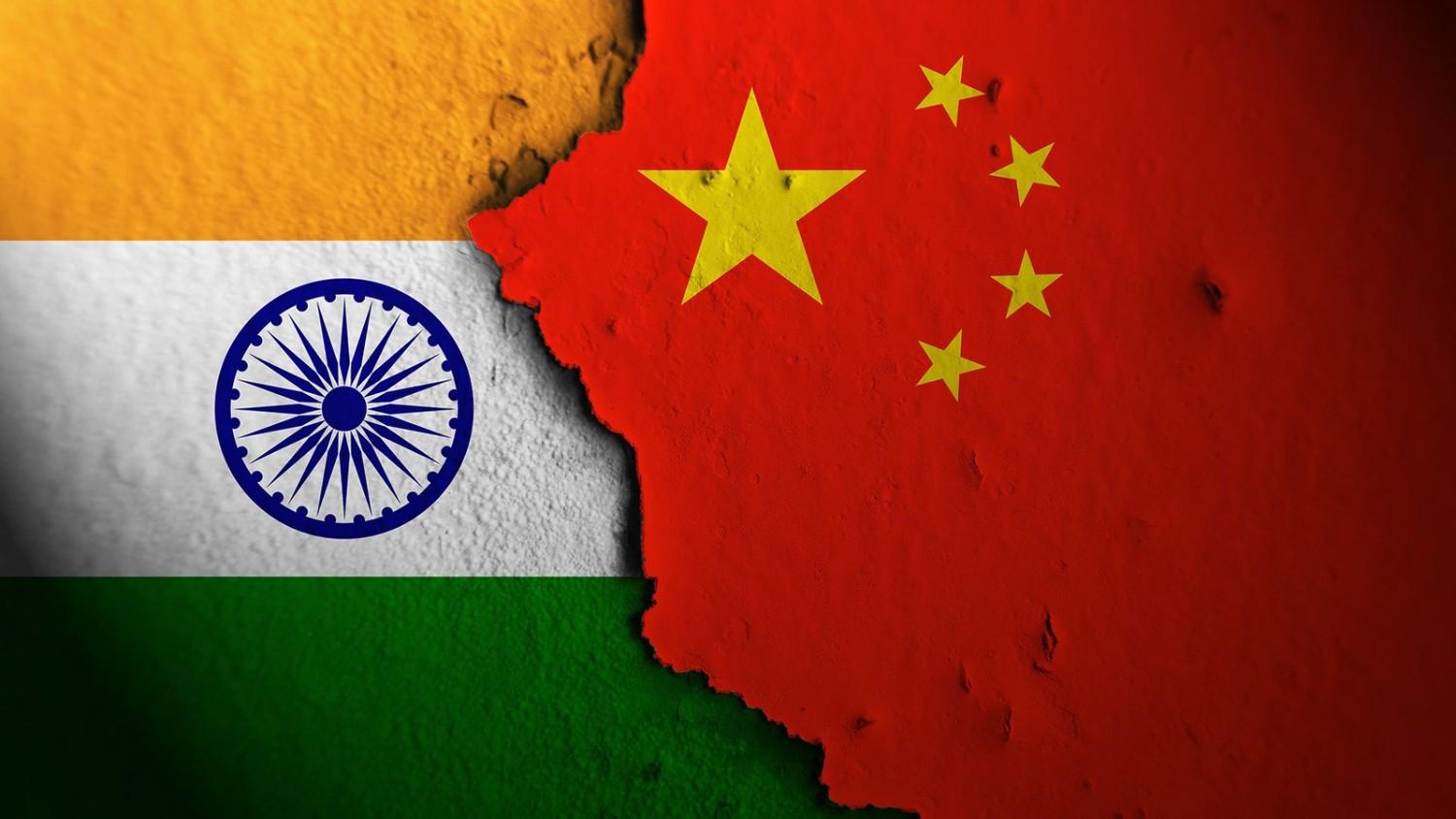
India’s own trade data tells an important story. In a March 2025 reply in Parliament, the Ministry of Commerce said imports from China had risen from about USD 70 billion in 2018–19 to over USD 101 billion in 2023–24. The same reply also noted that much of what India buys from China consists of raw materials, intermediate goods and capital goods. That matters because it shows China is not only a source of finished products. It is deeply embedded in the industrial chain behind Indian manufacturing, assembly, retail and distribution.
That embedded role is one reason China remains hard to replace. It is not just a country with factories. It is a dense manufacturing ecosystem where upstream and downstream support often exist within the same broader network. Buyers can move from component sourcing to packaging discussion to accessory development to volume scaling much faster than they can in fragmented supply chains. In practical business terms, that density reduces friction.
This is where many sourcing conversations go wrong. Businesses compare countries as though they are comparing price lists. But country comparison is really supply-chain comparison. The question is not: where is the factory quote lower? The question is: where is the full chain smoother, faster, more resilient, and easier to control? A quote can be lower in one country and still produce a worse commercial outcome if it leads to longer development cycles, weaker finishing quality, inconsistent packaging, or more time lost in coordination.
Global data also supports the idea that China remains central to trade. UNCTAD’s 2025 Global Trade Update shows China still holds a leading position in world merchandise trade. In other words, while buyers across the world talk about rebalancing, the trade system itself still reflects China’s scale and relevance. This should not surprise anyone who has had to source categories with heavy supplier depth, design variation, component availability or fast reordering needs.
None of this means diversification is a bad idea. In fact, for some categories it is absolutely necessary. But smart diversification begins with category logic. If a product line depends on tooling flexibility, vendor density, multiple accessory inputs, and a fast design iteration cycle, China may still be the strongest base. If another product line is relatively standardized and can be relocated without much quality risk, then shifting part of sourcing elsewhere may make sense. That is what a mature “China plus one” strategy looks like: selective, product-led, and commercial.
The wrong way to diversify is emotional diversification. That usually starts with a decision taken before the buyer has mapped suppliers, checked landed cost, assessed defect risk, or tested whether the alternate source can actually handle scale. In such cases, the buyer has not really reduced dependence. He has simply exchanged a known system for an untested one.
Indian importers should also remember that China often wins not because it is the absolute cheapest on paper, but because it reduces hidden cost elsewhere. Better supplier response time, easier access to alternate factories, more packaging options, quicker sampling, broader input availability, and stronger production recovery when something goes wrong—all of these affect profit even when they do not appear in the first quotation sheet.
That is why the most useful sourcing mindset today is not blind dependence and not performative rejection. It is disciplined selectivity. Use China where the ecosystem gives you a measurable edge. Build alternatives where concentration risk is too high. And above all, judge sourcing bases by execution, not by trend. In importing, slogans do not protect margins. Systems do.
Need help mapping compliance before you import?
Chinese Dost helps businesses check category requirements, supplier readiness, and paperwork expectations before shipment risk becomes a problem.